- News Center -
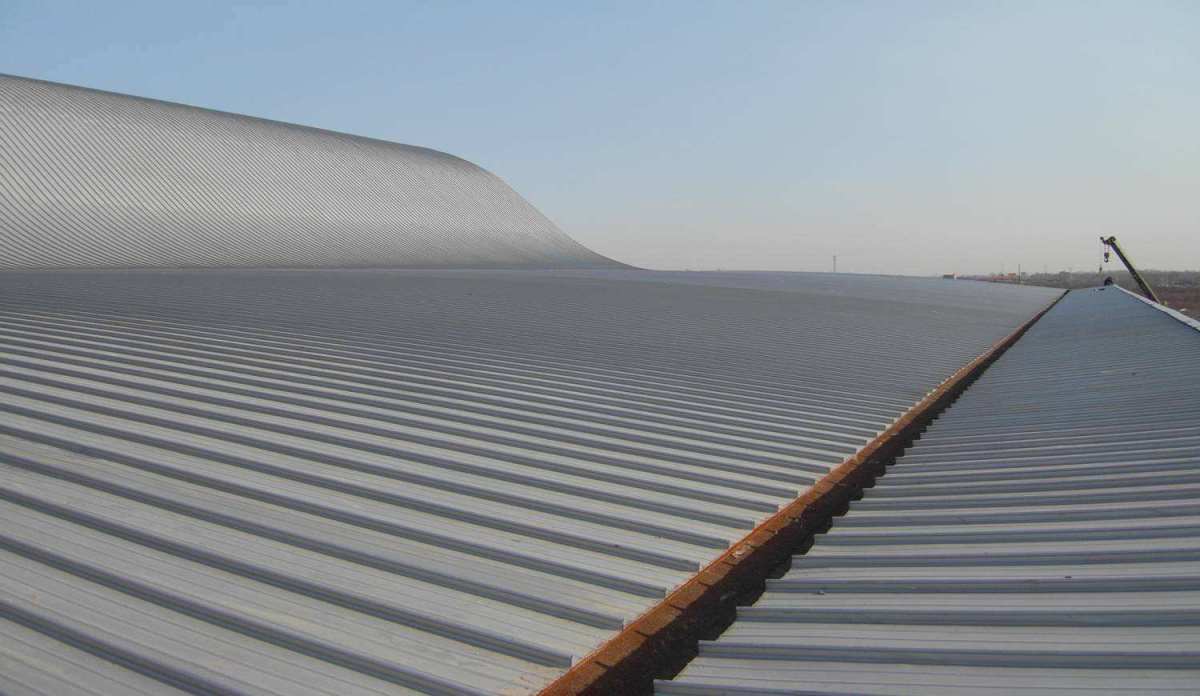
Roll-coated color aluminum is widely used in architectural decoration, and its quality affects both the building's appearance and long-term durability. This article describes quality verification methods from several perspectives to support purchasing and use.
1.Introduction to Roll-Coated Color Aluminum
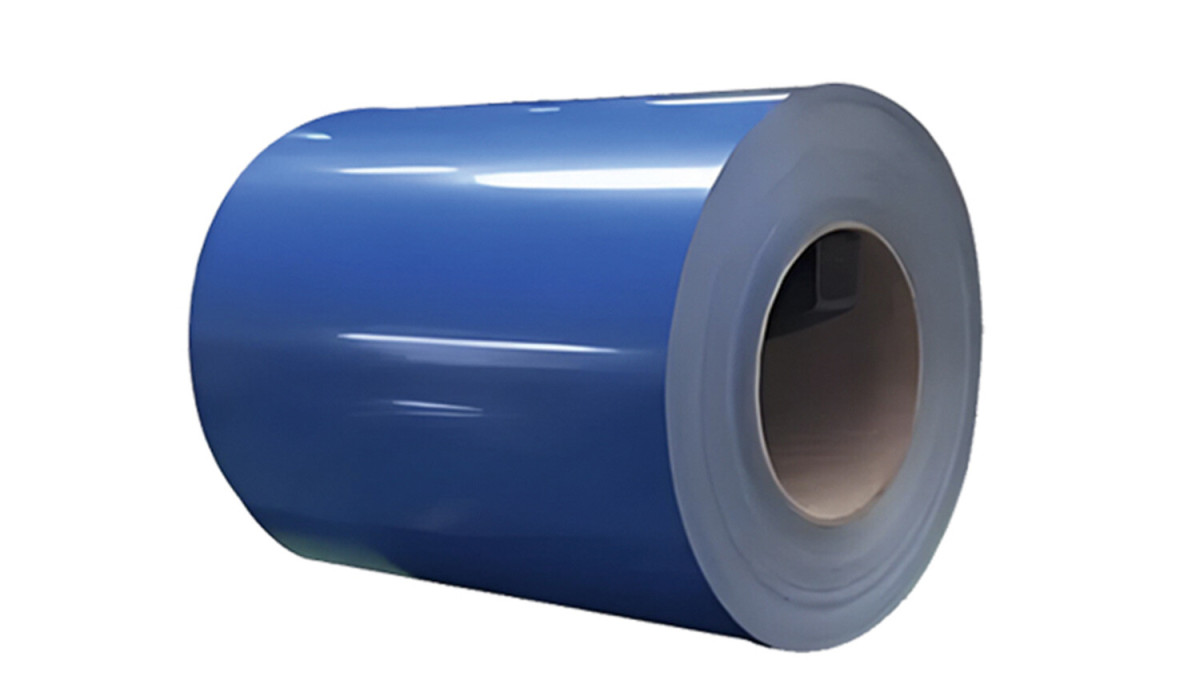
Roll-coated color aluminum is a decorative material made by applying coating to an aluminum coil substrate with roll-coating technology and curing it at high temperature. It combines the properties of aluminum with the decorative and protective functions of the coating and is commonly used for building exteriors and interior decoration.
2.Why Quality Matters
The quality of roll-coated color aluminum mainly affects the following performance areas:
Appearance: coating quality determines how long the finish retains its appearance and influences the likelihood of fading, peeling, and similar issues
Service life: product quality affects actual service life and the frequency of later repairs and replacements
Usage risk: compliant product quality reduces building safety risks caused by material failure
3. Quality Verification Methods
Visual Inspection:
Color uniformity: inspect the color distribution on the surface for obvious color differences
Surface flatness: check for unevenness or a grainy texture
Coating integrity: check for cracks, blisters, peeling, and other visible defects
Coating Thickness Measurement:
Use a coating thickness gauge to measure the coating and verify the values against the applicable product standard. Coating thickness affects weather resistance and corrosion resistance.
Weathering and Corrosion Testing:
Laboratory simulation of natural conditions (UV exposure, acid rain, high temperature, etc.) can test weather resistance. Salt-spray testing can also be performed by exposing color aluminum samples to a salt-fog environment for a specified period and checking for corrosion.
Adhesion Testing:
Cross-cut and similar tests can assess adhesion between the coating and aluminum substrate by checking the extent of coating removal.
4. Purchasing Considerations
Choose a compliant manufacturer: prefer suppliers with the relevant production qualifications and confirm product quality and after-sales support
Review test reports: request product test reports to confirm results for coating thickness, adhesion, weather resistance, and other indicators
Understand production capabilities: review the manufacturer's equipment and process as a reference for product quality
Quality verification of roll-coated color aluminum is an important part of material selection for architectural decoration. Visual inspection, coating thickness measurement, weathering tests, and adhesion tests provide a comprehensive assessment. When purchasing, combine the manufacturer's qualifications and product test reports to confirm that specifications meet your requirements.
Related Recommendations