- Products -
Products
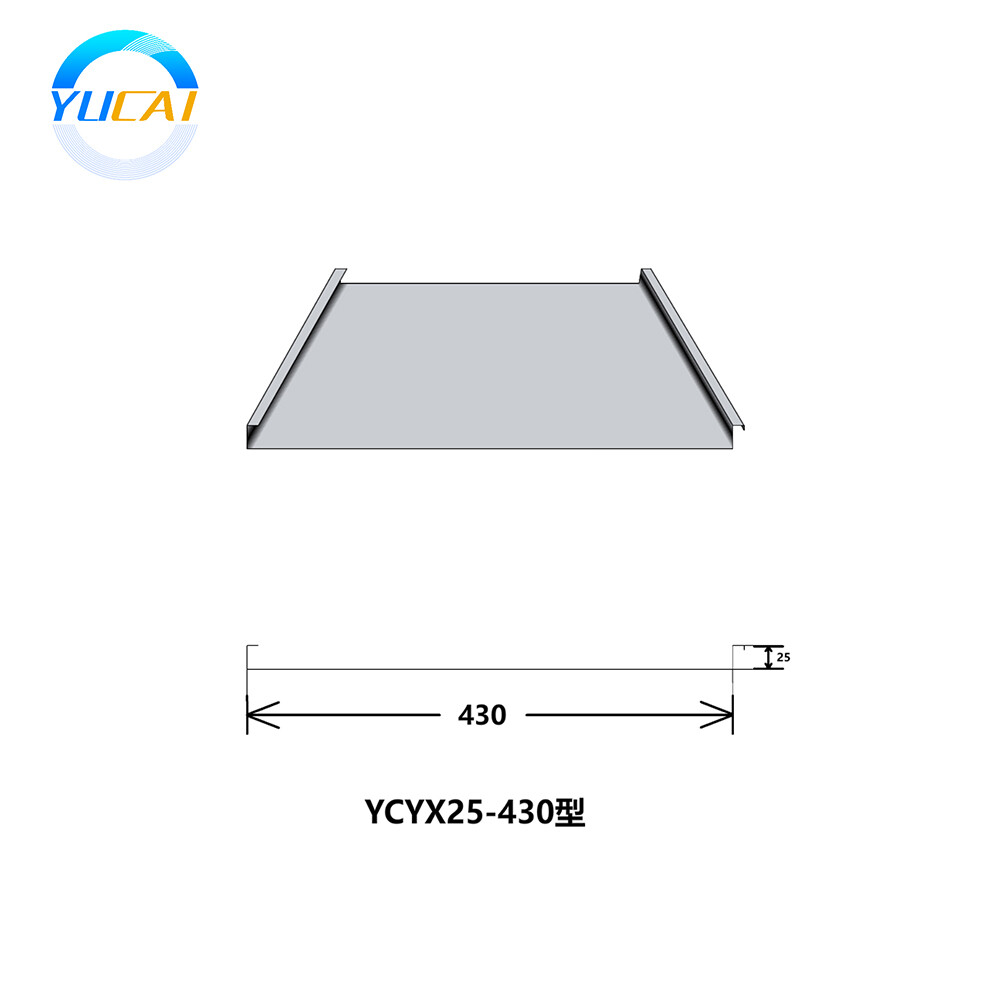
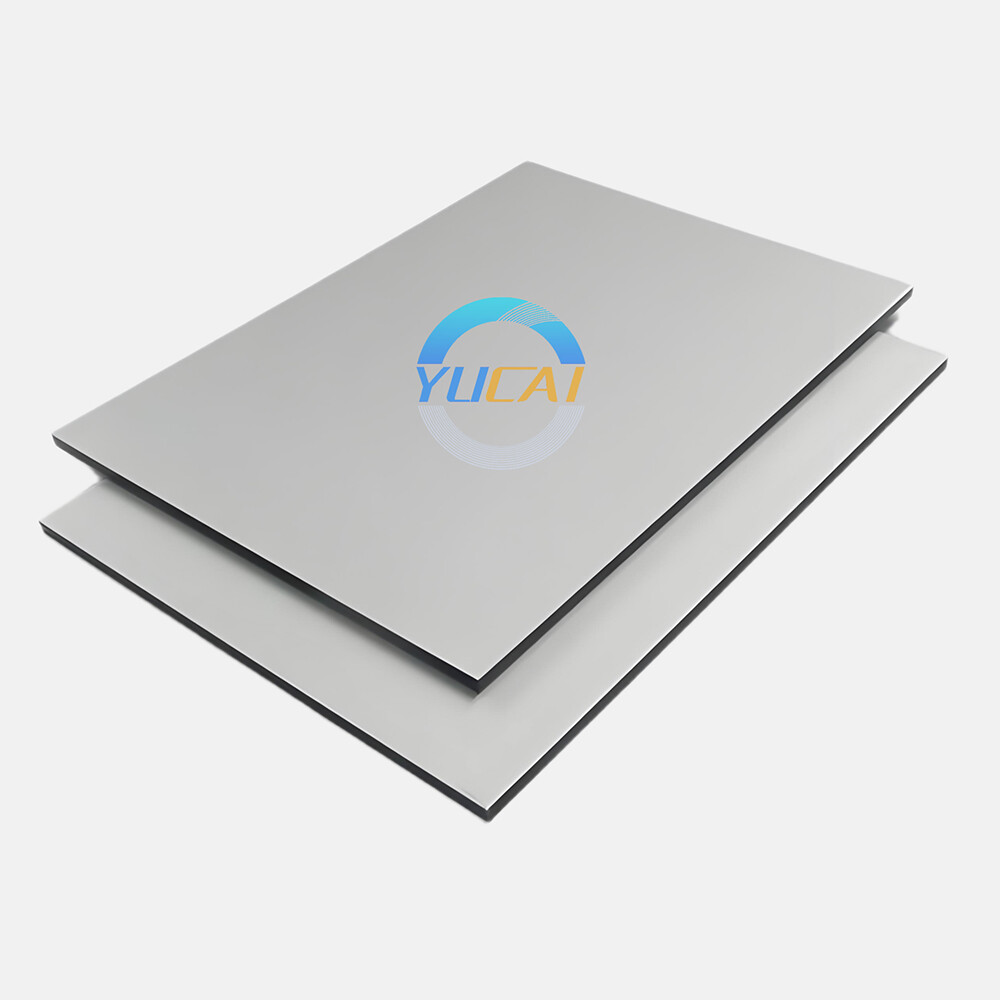
Common Alloys: 3003, 3004
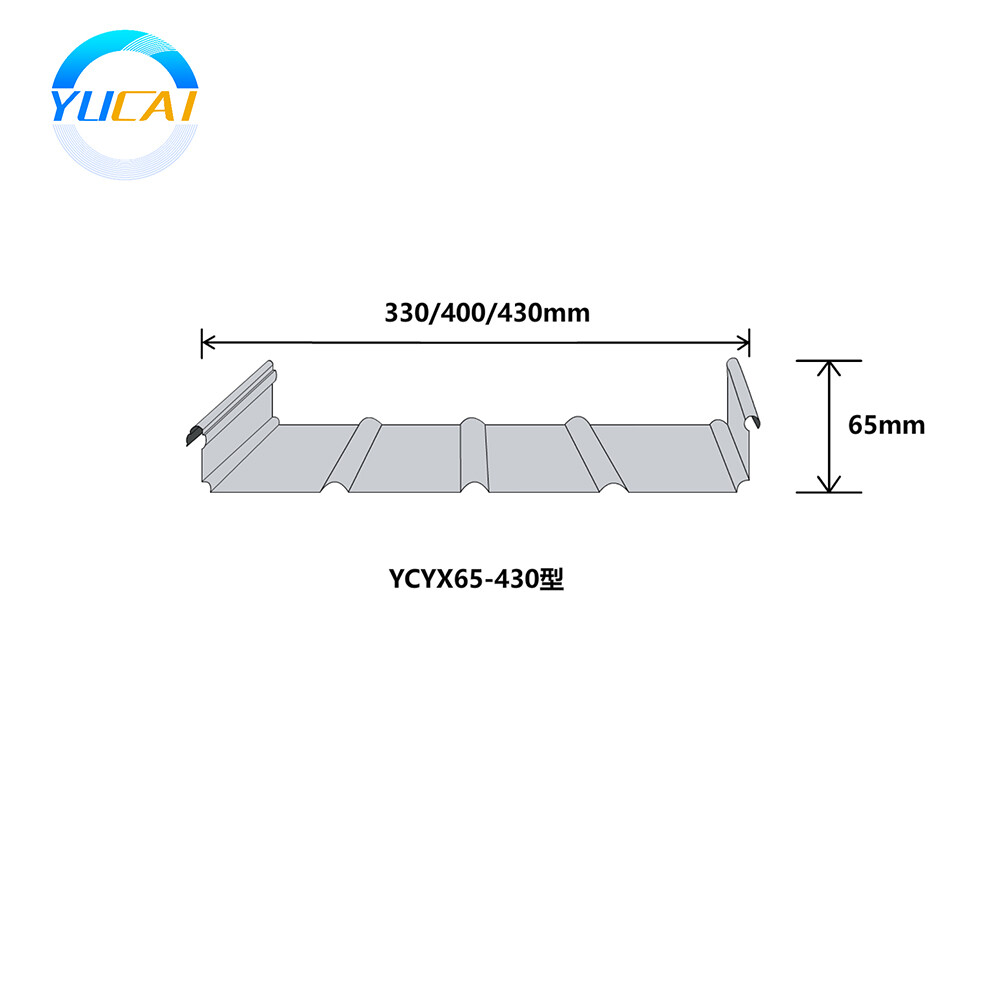
Fixing Method: Fixed by stainless steel supports, standing seam interlocking
Applicable Buildings: Metal roofing for villas, sales offices, scenic spots, residential buildings, etc.
Common Thickness: 0.7mm–1.2mm
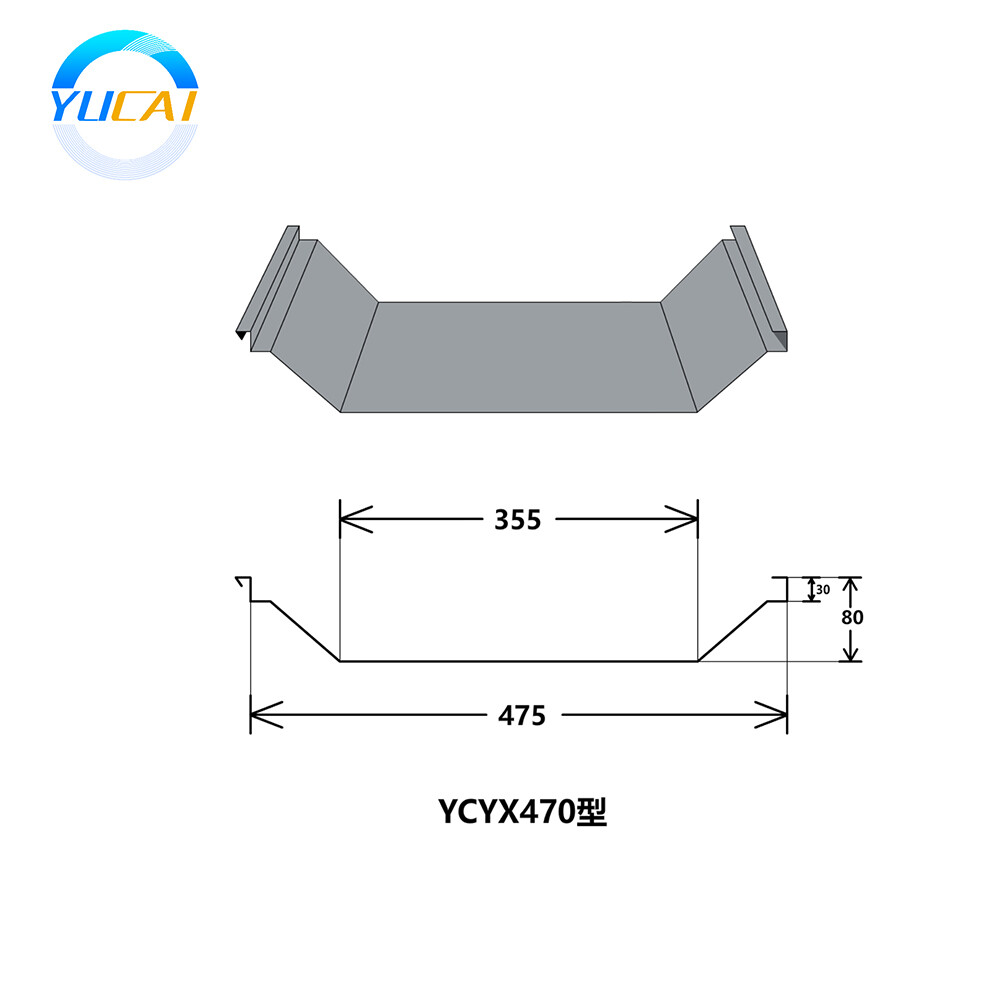
Common Alloys: 3003, 3004
Fixing Method: Fixed by stainless steel supports, standing seam interlocking
Applicable Buildings: Metal roofing for villas, sales offices, scenic spots, residential buildings, etc.
Advantages of Al-Mg-Mn Alloy Roof Panels
Al-Mg-Mn alloy roof panel is a common type of metal sheet for building roofing projects. It is manufactured with a proportional blend of aluminum, magnesium and manganese, delivering corresponding material properties, and is applicable to roofing scenarios such as large public buildings, airport terminals, stadiums and many others.
In terms of material properties, a dense aluminum oxide protective film naturally forms on the surface of Al-Mg-Mn alloy, offering resistance to atmospheric corrosion. Within the alloy composition, magnesium refines the grain structure while manganese improves material strength. Combined, these two elements enable the panel to maintain relatively stable dimensional performance within the temperature range of -40℃ to 80℃. This characteristic extends the maintenance cycle of building roofs and exerts a positive effect on the whole-life operating cost.
From the perspective of engineering application, Al-Mg-Mn alloy is a lightweight metal sheet. A roof panel of 0.7mm thickness weighs approximately less than 3kg per square meter, which reduces the main structural load of long-span buildings. The material has good ductility and can be cold-formed. Together with CNC processing technology, it can adapt to diversified architectural shapes including curved surfaces.
In terms of resource recycling, Al-Mg-Mn alloy is recyclable with a high recycling rate. The energy consumption for remelting is lower than that for primary aluminum production, complying with relevant requirements of green building rating systems such as LEED. The material surface can be treated by anodizing. When matched with standing-seam drainage structure, it reduces the risk of water leakage at roof joints.
Regarding service life, Al-Mg-Mn roof panels feature a long service life and low daily maintenance requirements. The material has suitable thermal conductivity. With a ventilated layer structure, it can cool the top floor space to a certain extent and help cut air-conditioning energy consumption, meeting the demands of low-carbon buildings.
The above is the description of Al-Mg-Mn alloy roof panels covering material characteristics, engineering application, resource recycling and service life. This material can satisfy functional, modelling and environmental requirements of various roofing projects. You may provide further information if you want to learn technical details for specific application scenarios.
Waterproofing Precautions during Construction of Al-Mg-Mn Roof Panels
Al-Mg-Mn metal roof is a commonly used roofing material in construction projects. To guarantee its service performance, waterproofing control measures are generally implemented during construction. The quality of waterproofing construction is a critical factor affecting the performance of Al-Mg-Mn roofs, and corresponding control points shall be followed throughout construction. Below are key waterproofing precautions for the construction of Al-Mg-Mn roof panels:
The construction of Al-Mg-Mn structural roofs involves certain complexity, and construction quality control shall be emphasized. The core waterproofing precautions are listed as follows:
1. Management of Construction Workers
Project quality is closely related to workers’ experience and sense of responsibility. Therefore, when selecting construction personnel, their professional experience and accountability should be fully assessed to help control construction quality at every stage. On-site tracking and guidance for construction quality can be arranged if conditions permit.
2. Technical Disclosure Management
Before construction, organize technical disclosure for workers responsible for each waterproofing detail. Clarify the waterproofing principle, key construction points and standard operating procedures of every waterproof joint, together with quality inspection requirements and handover criteria for each working procedure. Subsequent construction shall not commence without written records confirming the acceptance inspection of the previous procedure.
3. Confirmation through Mock-up Construction
Prior to the formal installation of Al-Mg-Mn roof panels, for all waterproof joint details, arrange technicians, supervising engineers, quality inspectors, construction managers and field workers to observe standard construction techniques, operating methods and quality acceptance standards on site, and define solutions for common construction defects.
Meanwhile, mock-up construction may reveal issues not covered in the design, facilitating timely optimization of joint construction schemes.
4. Quality Inspection of Working Procedures
During the construction of Al-Mg-Mn roof panels, quality inspection of each procedure must be strictly carried out, especially water spraying tests at joint details.
Commonly Used Models & Specifications of Al-Mg-Mn Panels
Al-Mg-Mn roof panels are available in a wide range of options, with a material utilization rate of approximately 88%. Used as roofing system materials, they help improve roof waterproofing performance and the overall service performance of buildings, delivering good cost-effectiveness. Below is an introduction to the common specifications and models of Al-Mg-Mn panels.
1. Surface Finishes & Coating Types
Two common surface finishes are available for Al-Mg-Mn panels: natural hammer finish (irregular embossing) and regular embossing.
Functions of hammer finish: improving panel rigidity, reducing light reflection, and enabling more uniform distribution of surface oxidation and paint coating.
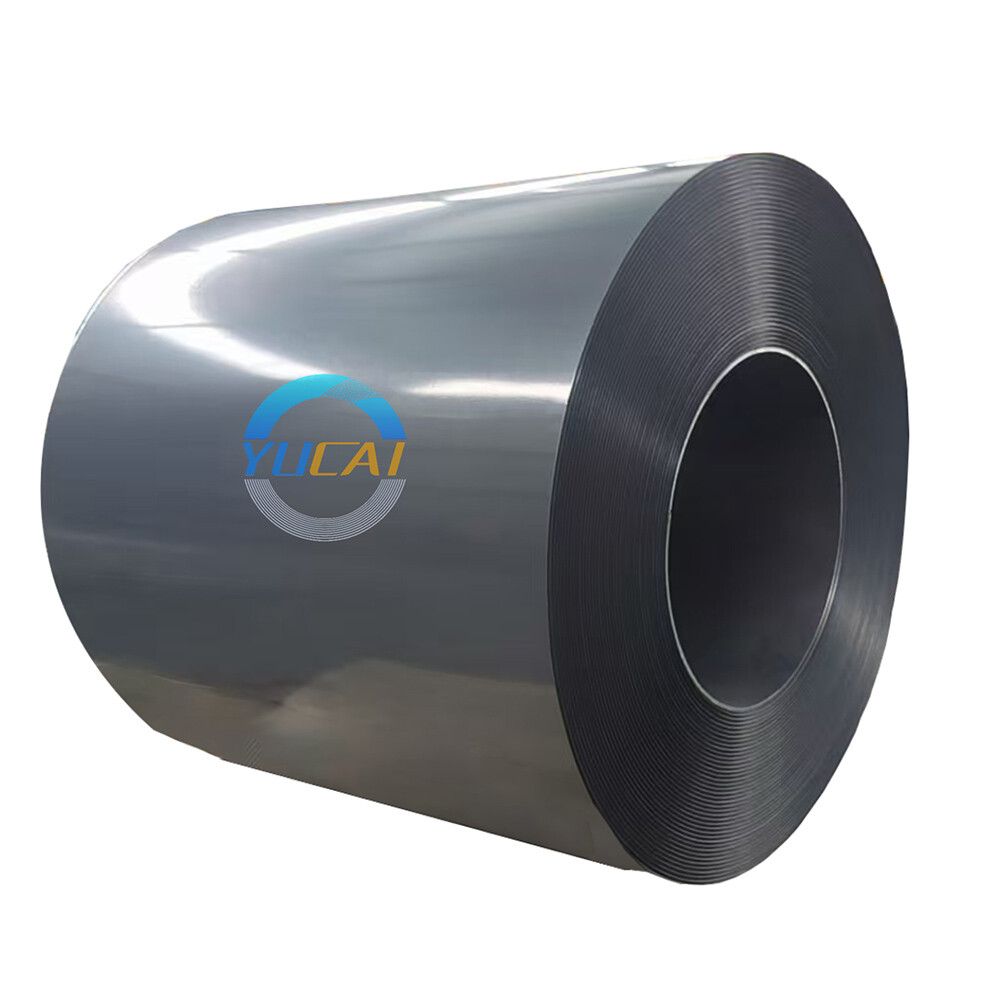
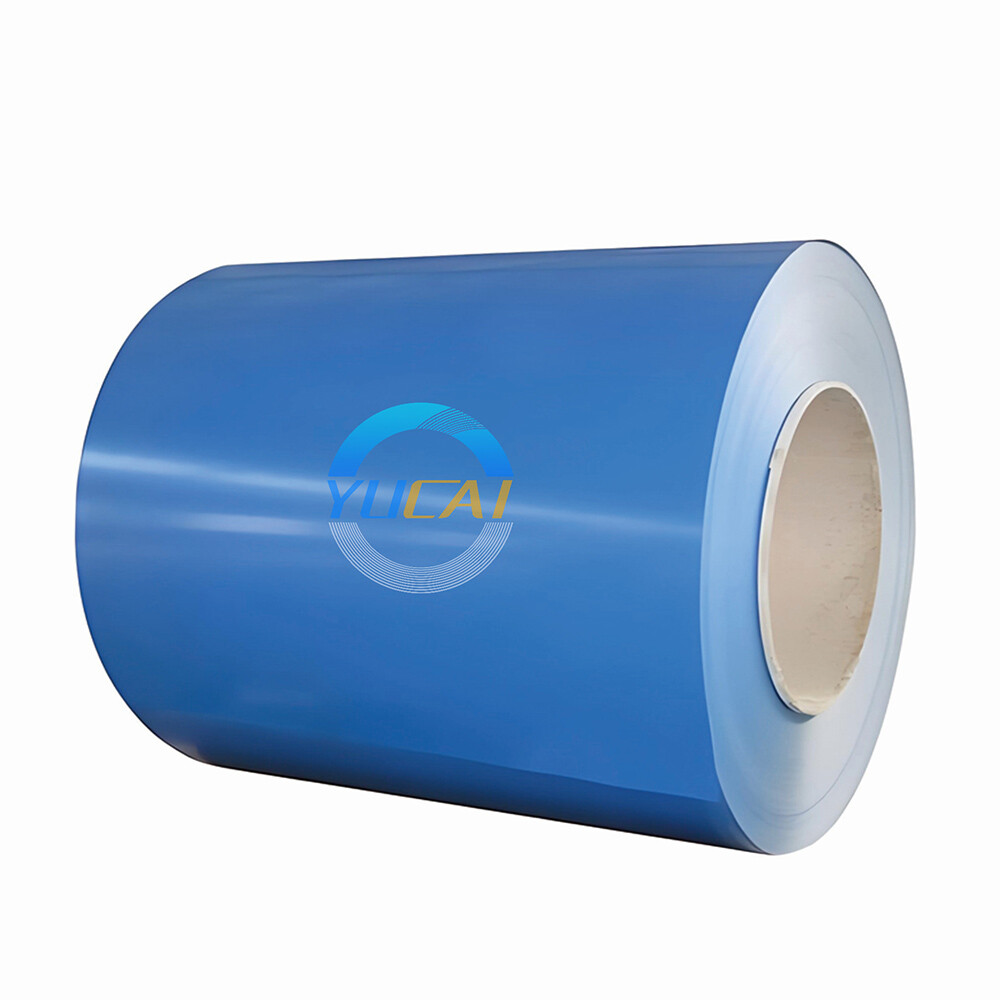
Al-Mg-Mn panels for roofing and facade applications normally adopt the coil coating process. Features of this process: standardized control over color difference and coating uniformity, stable and consistent product quality, and compliance with relevant environmental requirements.
Coatings are mostly PVDF fluorocarbon coatings with fluorocarbon resin content above 70%. International color systems including RAL, NCS and PANTONE are available, and custom colors can be supplied upon clients’ requests.
2. Functions of Supporting System
The structure of Al-Mg-Mn panels suits regions with large temperature differences and reduces the risk of panel damage caused by thermal expansion and contraction stress.
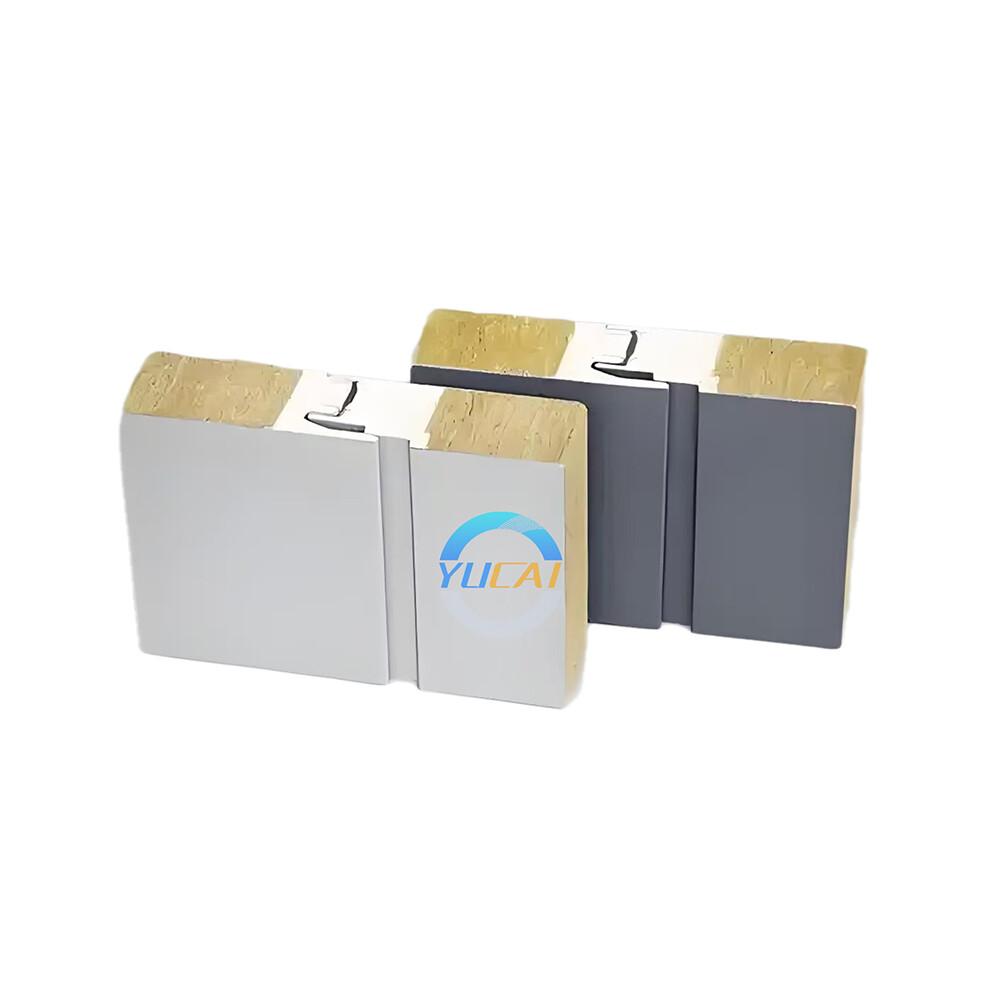
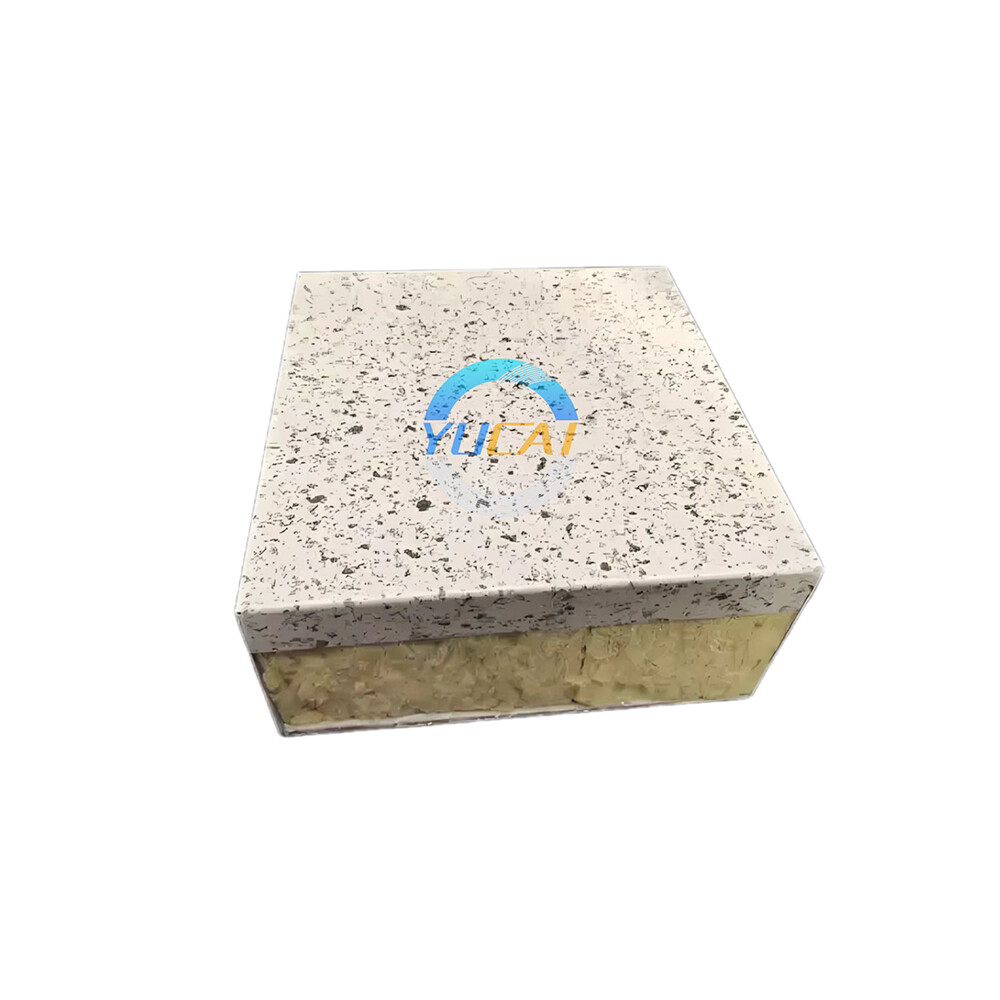
The roofing system can be equipped with thermal insulation layers to reduce heat transfer across the metal roof and help stabilize indoor temperature. Insulation is achieved by filling insulation materials (glass wool and rock wool are widely used) beneath the metal roof panels. Insulation performance is indicated by U-value, unit: W/㎡·K.
3. Design Adaptability
Al-Mg-Mn panels can be formed into different profiles to match architectural shapes, meeting customized design requirements and offering decorative effects. The material is eco-friendly and energy-saving, suitable for buildings in diverse regions, environments and functional scenarios.
For residential or commercial buildings, roof height and shape shall be considered together with wind resistance and rainproof requirements during roof design. Load pressure and load probability shall be calculated in all design stages.
Notes on Durability of Al-Mg-Mn Panels
The durability of Al-Mg-Mn panels is jointly determined by alloy composition and surface treatment, as specified below:
Corrosion Resistance
Containing magnesium and manganese, Al-Mg-Mn alloy features good atmospheric corrosion resistance. When exposed to air, aluminum naturally forms an aluminum oxide film on its surface, which slows down corrosion of the base material. With an additional PVDF fluorocarbon coating, the panels gain further enhanced corrosion resistance and are suitable for humid, salt-spray and other harsh environments.
Strength & Toughness
Al-Mg-Mn panels have structural strength and ductility to withstand certain external impact and deformation. Their bending strength reaches over 160MPa, with proper elongation. They can accommodate moderate deformation without fracture while maintaining structural stability.
Long-Term Durability
Based on corrosion rate test data, Al-Mg-Mn panels suffer an annual thickness loss of around 0.5 microns under normal atmospheric conditions. The thickness loss is minimal over long-term service, making them one of the durable metal materials widely used in roofing projects.
Application Features of Al-Mg-Mn Roof Panels
1. Custom Fabrication Service
To meet diverse client demands, multi-dimensional custom fabrication is available for Al-Mg-Mn roof panels, covering material selection, dimensions, surface treatment and other items to match practical project requirements.
2. Matching Installation System
A dedicated installation system is matched with Al-Mg-Mn panels to relieve stress induced by temperature variation and improve long-term system stability. The system adopts a fastener-free through-fix design on the surface, which improves waterproof tightness and preserves the corrosion resistance of panels.
3. Eco-friendliness & Cost-effectiveness
Al-Mg-Mn panels are fully recyclable. They can be recycled and reused after service life, with low environmental impact, and present favorable economic benefits over the whole lifecycle.
Customization Instructions for Al-Mg-Mn Roofing
1.Customized Size and Thickness
Al-Mg-Mn roof panels are available for customized production. Suitable panel thicknesses and dimensions can be supplied in accordance with customers’ design requirements and application scenarios.
2.Color Options
Custom colors are available for Al-Mg-Mn panels, including standard white and special bespoke colors, all achievable via the coil coating process. Al-Mg-Mn roof panels are widely used in modern industrial buildings. With continuous optimization of manufacturing technology, Al-Mg-Mn panels can meet the requirements of steel structure workshops and other large-scale projects, providing customers with functional building material options.
Property Description of Al-Mg-Mn Metal Roof Panels
Corrosion Resistance
The Al-Mg-Mn alloy reacts with the atmosphere to form a protective aluminium oxide film, slowing down material corrosion and delivering a long service life under normal atmospheric conditions.
Strength and Stiffness
Magnesium and manganese in the alloy composition improve the structural strength and stiffness of the panels, satisfying general service requirements for roofing works.